INSOCIAL AGENCY JOURNAL
Posts, Reels, and Stories: give each format a useful job
A service explanation, a product demonstration, and a same-day update do not need the same treatment. Choosing the format after you choose the message makes social content easier to plan and more useful to the person seeing it.
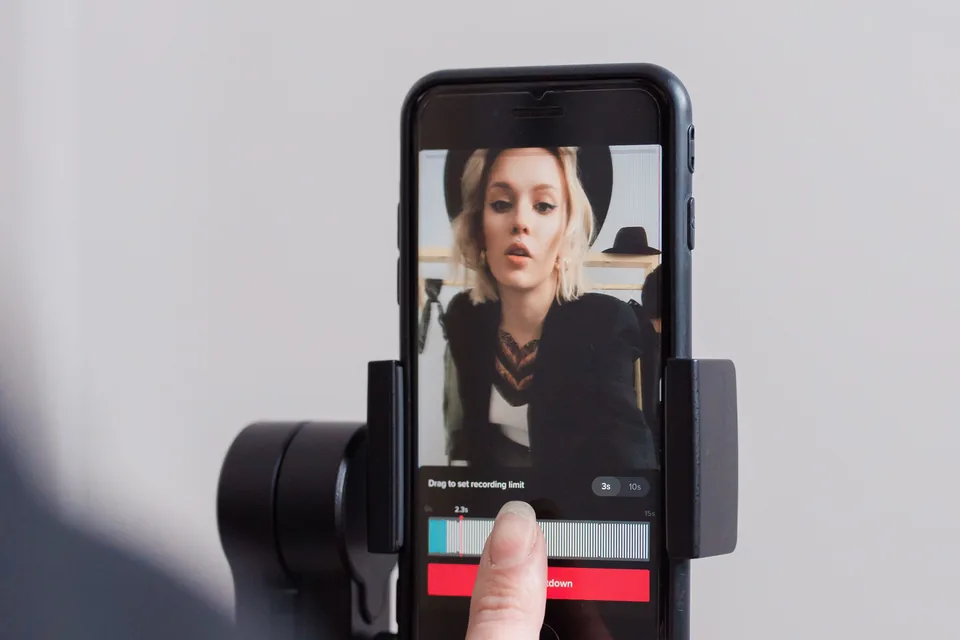
Use posts to make an idea easy to understand
A feed post works well when the main idea can be understood in a strong image and a clear caption. Think of a product feature, a service overview, an answer to a common question, or a carefully explained example of your work.
Start with the fact you want someone to remember. A bakery might introduce its ordering process with a photograph of a finished cake and a caption explaining lead times. The post has one job: help a potential customer understand how to begin. Keep important information readable on a phone, and put the details in the caption rather than squeezing everything into the artwork.
Use Reels when movement makes the idea clearer
Video is useful when the action matters: assembling a product, preparing a dish, showing how something works, or walking through a short process. A Reel can introduce the people behind the business or demonstrate a detail that is difficult to communicate in one still image.
Plan the opening shot, the key moment, and the takeaway before filming. A brief, clear demonstration is usually a more useful starting point than several unrelated clips with music. Include readable captions when speech carries the message, check the edit without sound, and give the viewer enough context to understand what they are watching.
Reels may reach people who do not already know your business, but discovery is an opportunity, not a promise. A format alone cannot guarantee reach, followers, or sales.
Use Stories for timely context and conversation
Stories suit updates that are useful now: a look behind the scenes, an event reminder, a new arrival, or a follow-up to something in your feed. They can make your account feel connected to what is actually happening in the business.
Make every frame understandable on its own. If you are planning a sequence, define how many individual frames it needs and the point of each one. A three-frame sequence could introduce a customer question, answer it, and show the next step. This is also why a package should define whether a “Story” means one frame or an entire sequence. Do not assume those quantities are interchangeable.
Turn one subject into three different pieces
Consider a fictional café introducing a seasonal drink. The post can show the drink with its name, ingredients, and availability. The Reel can show the preparation. The Story can share a fresh image from the counter and remind regulars when it is available.
The subject stays consistent, while each piece contributes something different. Avoid repeating the same image and paragraph everywhere without considering how people will experience them. Check dates and prices across every version before publishing.
Choose a mix your assets can support
If you have strong photography but little usable footage, begin with posts and simple Stories while collecting video clips. If your business is naturally demonstrable, a small batch of focused Reels may be a sensible addition. More formats also mean more preparation and review, so expand deliberately.
Our format recommendations are a planning framework, not an algorithm formula. Meta explains that its content systems use a variety of signals and personalized predictions. Review your own results by format and purpose: which explanations attract useful questions, which videos hold attention, and which updates lead to a relevant response? Let those observations guide the next month.